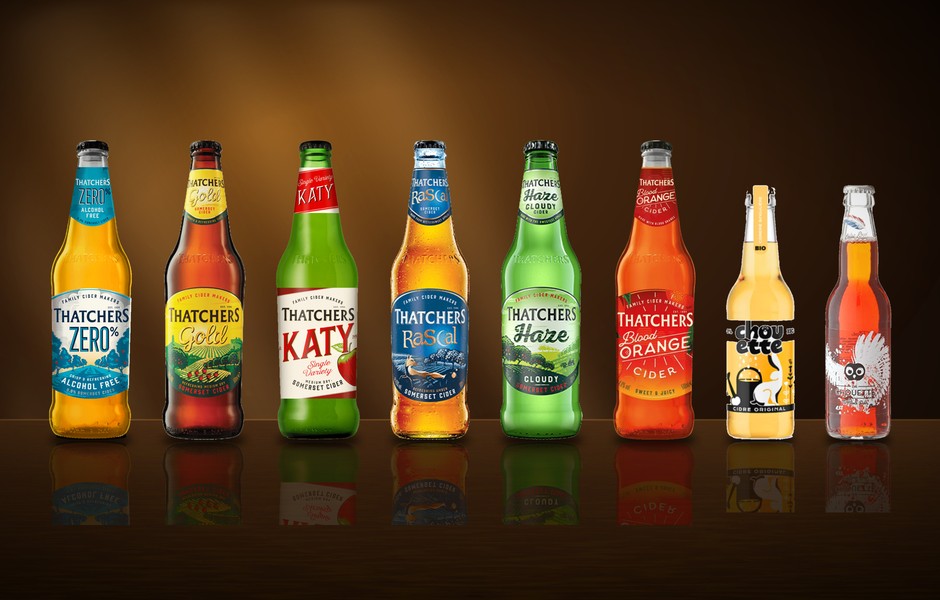
Cider is one of those drinks people order without thinking too hard about it. Then someone at the table asks whether it is beer, whether it has alcohol in it at all, or why one bottle tastes like crisp apples and another tastes almost like dry white wine. Fair questions, and the answers make it much easier to choose a bottle you will actually enjoy.
Start with the fruit
Cider is fermented fruit juice, almost always apple. Yeast turns the natural sugar in pressed apples into alcohol and carbon dioxide, much as it turns grape juice into wine. There is no malted grain involved, which is the simplest way to explain how cider differs from beer.
How much fruit has to be in the bottle depends on where it is made. In the UK, HMRC's cider duty rules require at least 35% apple or pear juice, and a strength above 1.2% but below 8.5% ABV. Good producers go well beyond that minimum. La Chouette, from the Mont-Saint-Michel bay in Normandy, makes its ciders from pure apple juice, with no concentrate, added sugar, colouring or flavouring.
The apples matter as much as grapes do in wine. Cider apples are often bittersweet: high in tannin, which gives grip and a slightly drying finish. Eating apples such as Gala, Fuji or Braeburn bring brighter, juicier flavours. Many ciders blend the two, and that balance shapes the whole drink.
Is cider alcoholic?
Yes, unless the label says otherwise. Most of the ciders on our shelves sit between 4% and 5% ABV, roughly where a standard lager sits. A few are stronger. Thatchers Katy, made from a single apple variety, is 7.4%, so it is worth noticing the label before you pour a second glass.
Then there is the other end. Thatchers Zero is made to give you the apple character without the alcohol, and its label reads 0.3% ABV. That is very low, though not the same as zero, which matters if you are avoiding alcohol entirely for any reason.
In the US and some other places, "apple cider" can also mean cloudy, unfermented apple juice, which is why the question comes up so often. When a cider is sold in a bottle in Singapore alongside beer, assume it is the fermented, alcoholic kind and check the ABV on the label.
Apple, pear and everything in between
Cider made only from pears is usually called perry. Some cider makers blend the two, which adds softness and a gentle floral note. La Chouette Rosé is a good example: a blend of pears and apples, including red-fleshed apples, and it pours a pale rosé pink.
Flavoured ciders are the newer branch of the family. Thatchers Blood Orange starts with sweet eating apples and adds blood orange flavour on top. If you like something bright and fruity on a warm evening, it is an easy place to start, though purists would say it sits in a different category from a traditional farmhouse cider.
Dry, medium or sweet
This is the most useful thing to know when choosing. The sweetness of a cider depends on how much of the apple sugar is left after fermentation, and how much tannin the fruit brought with it.
- Dry ciders finish crisp and clean, with little obvious sweetness. The French word you will see on the label is brut.
- Medium-dry and medium ciders keep a little sweetness to balance the acidity. Thatchers Gold sits here, and so does Rascal, which uses bittersweet apples such as Somerset Redstreak for a fuller, slightly peppery character. Thatchers Katy is semi-dry and crisp, with a higher ABV, which makes it the one to reach for if you usually drink white wine or Champagne.
- Sweeter, fruit-forward ciders lean on eating apples and added fruit. Thatchers Somerset Haze, a cloudy blend of Discovery, Falstaff, Gala and Jonagold apples, is gently sweet and fruity.
If you are buying for a group and do not know their taste, a medium cider is the safest middle ground. Crisp, semi-dry ciders like Thatchers Katy tend to win over wine drinkers. Sweeter styles tend to suit people who say they do not usually like beer.
English and French cider taste different
Our range comes from two countries with long cider traditions, and they show it.
English cider, like the Thatchers range from Myrtle Farm in Somerset, where the family has made cider since 1904, tends to be fresh, clean and easy to drink, with styles running from crisp and golden to fuller and more tannic.
French cider from Normandy, such as La Chouette, is often more rustic and aromatic, with a gentle bitterness alongside the acidity. ## Serving it well
Cider is at its best cold but not ice-cold, around fridge temperature. A wine glass or a tulip-shaped beer glass lets you smell the fruit better than drinking from the bottle. Pour gently, especially with cloudy styles like Somerset Haze, and give the bottle a gentle tilt rather than a shake.
Food is where cider earns its place. Dry ciders handle rich, salty dishes well: roast pork, cheese, fried chicken. Fruitier styles work with spicier food, which makes them a sensible pick for a Singapore dinner table.
If you only try one cider from each country, make it Thatchers Gold and La Chouette Original, and taste them side by side.
You can browse every bottle we carry, with its ABV and style listed, on our cider page, or look across the wider craft beers and ciders range.
Questions we get asked
Is cider a type of beer?
No. Beer is brewed from malted grain, while cider is fermented fruit juice, usually apple. They are often sold side by side because they are served in similar ways and land at similar strengths.
How much alcohol is in cider?
Most ciders are between 4% and 5% ABV, similar to a standard lager. Some are stronger, like Thatchers Katy at 7.4%, so always check the label.
Is there a non-alcoholic cider?
Yes. Thatchers Zero is made for people who want the taste of cider without the alcohol, and its label shows 0.3% ABV.
What is the difference between dry and sweet cider?
Dry cider has had most of its natural sugar fermented away, so it tastes crisp and less sweet. Sweet cider keeps more of the fruit sugar or adds fruit flavour, so it tastes softer and juicier.
Which cider should I try first?
If you are not sure what you like, start with a medium style such as Thatchers Gold. If you enjoy white wine or Champagne, go for Thatchers Katy, which is semi-dry and crisp with a higher 7.4% ABV.